Sixty days sounds like a lot of time to make a short film.
Then the clock starts.
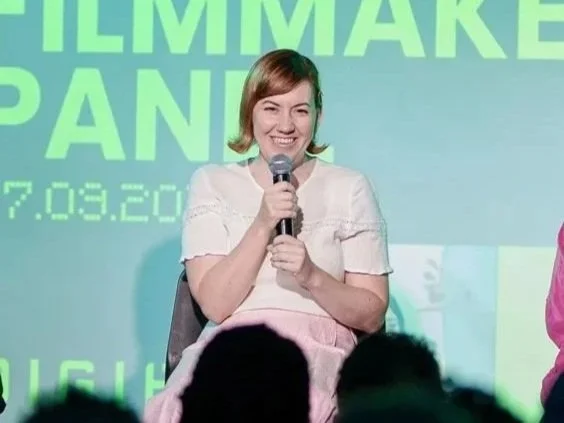
At our 2026 60-Day Challenge Kick-Off, moderator Jason Dai sat down with past Digi60 filmmakers Tara Mühlberghuber, MJ Comilang-Costales and Dominik Denis DiMario to talk about what they learned from making films through the Challenge.
Their films were very different. Their approaches were different, too. But as the conversation unfolded, a few common ideas kept coming up: keep your project manageable, connect with other people, give yourself enough time to finish, stay flexible and, above all, make something that feels like yours.
You don't need a huge crew
One of the easiest ways to make a short film feel overwhelming is to assume you need a full professional crew before you can begin. You don't.
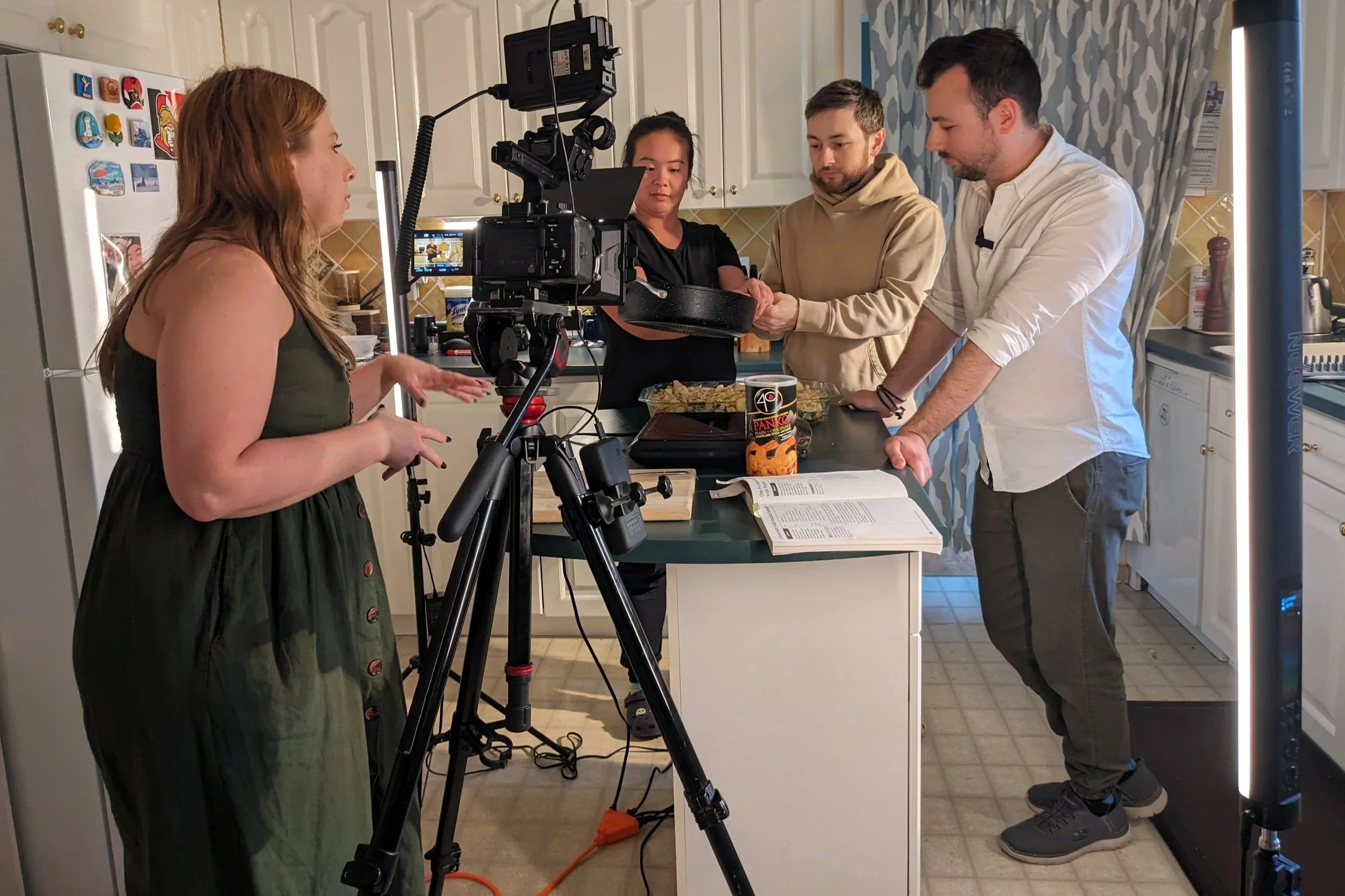
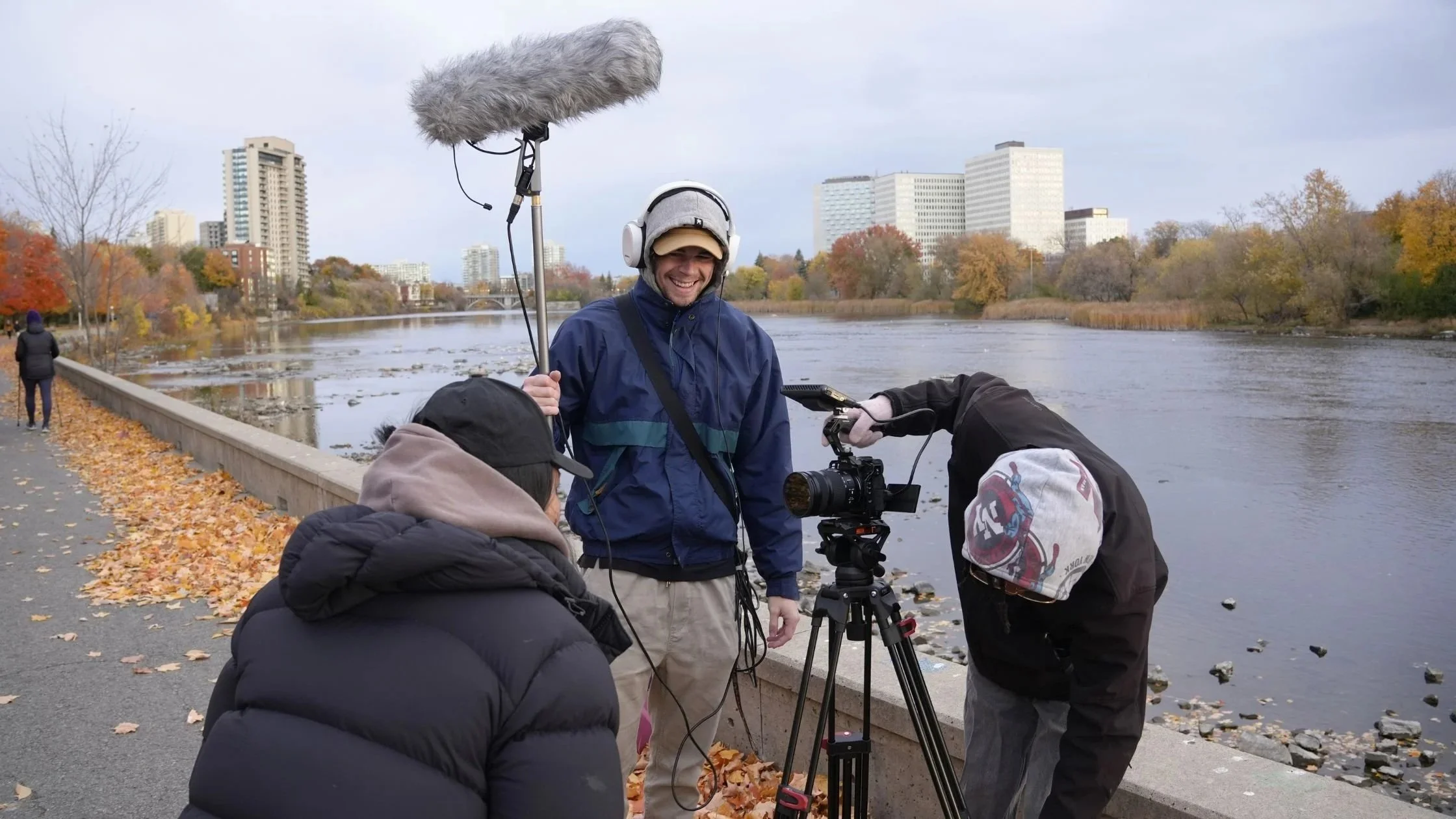
Dominik spoke about making some of his early projects with only a few people and encouraged filmmakers to use opportunities like Digi60 to simply start conversations.
“You never know who you’ll be talking with, and it could be someone who will love to collaborate with you.”
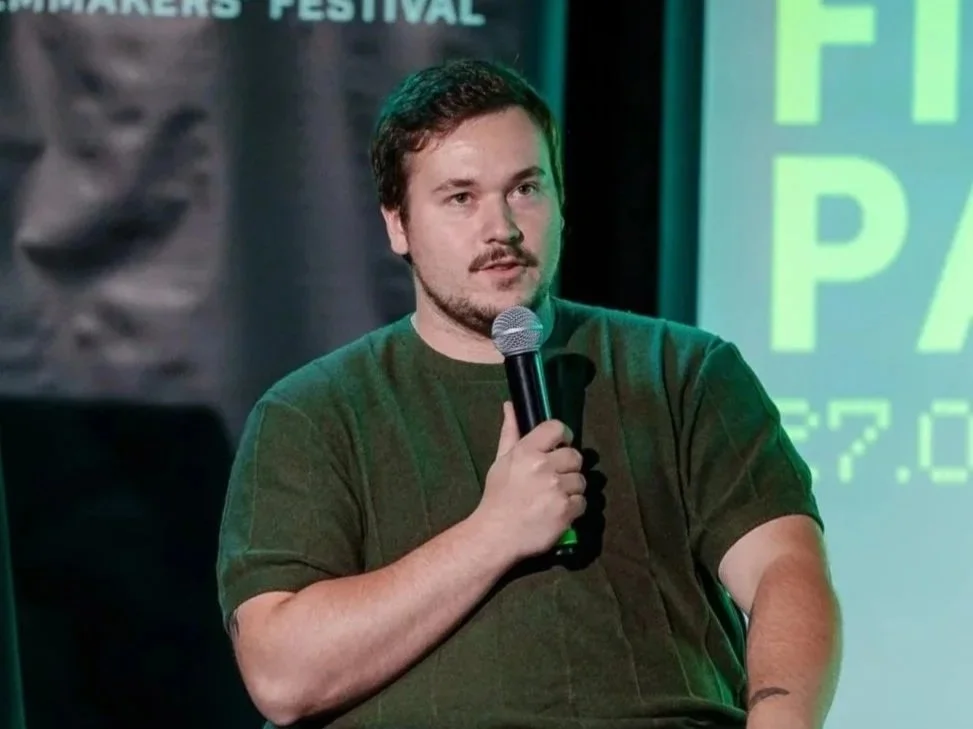
A small team can make it easier to move quickly and adapt. Friends can help too, even if filmmaking isn’t their usual thing.
But small doesn’t have to mean alone.
Find your people — and be generous with your time
For MJ, collaboration was one of the main reasons to take part in the Challenge again.
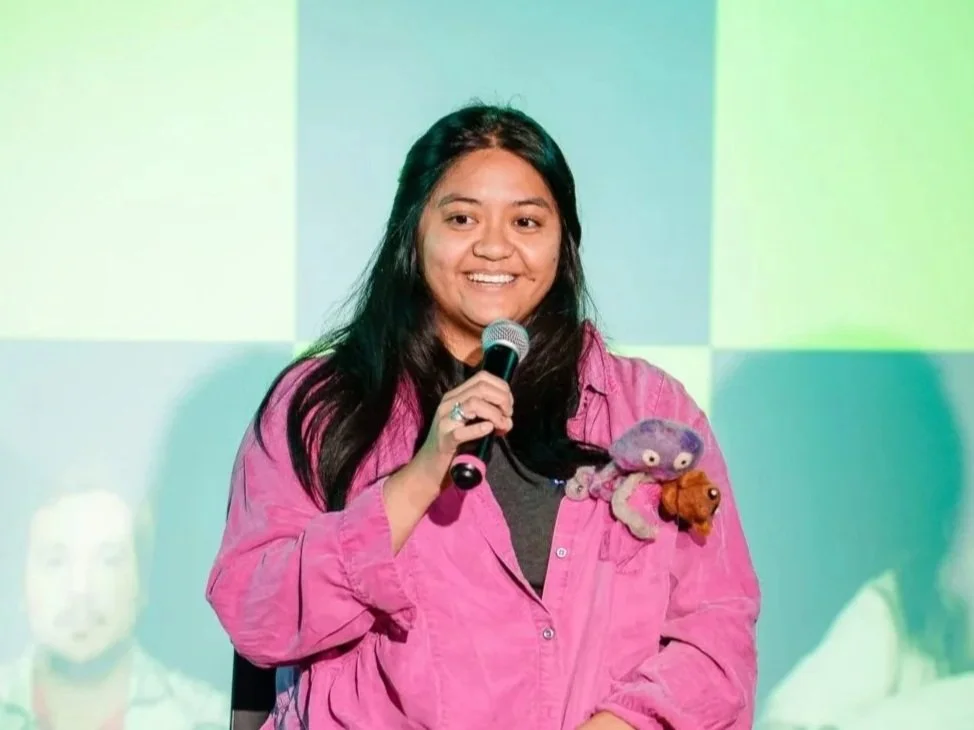
“I want to meet people, and I want to collaborate with them.”
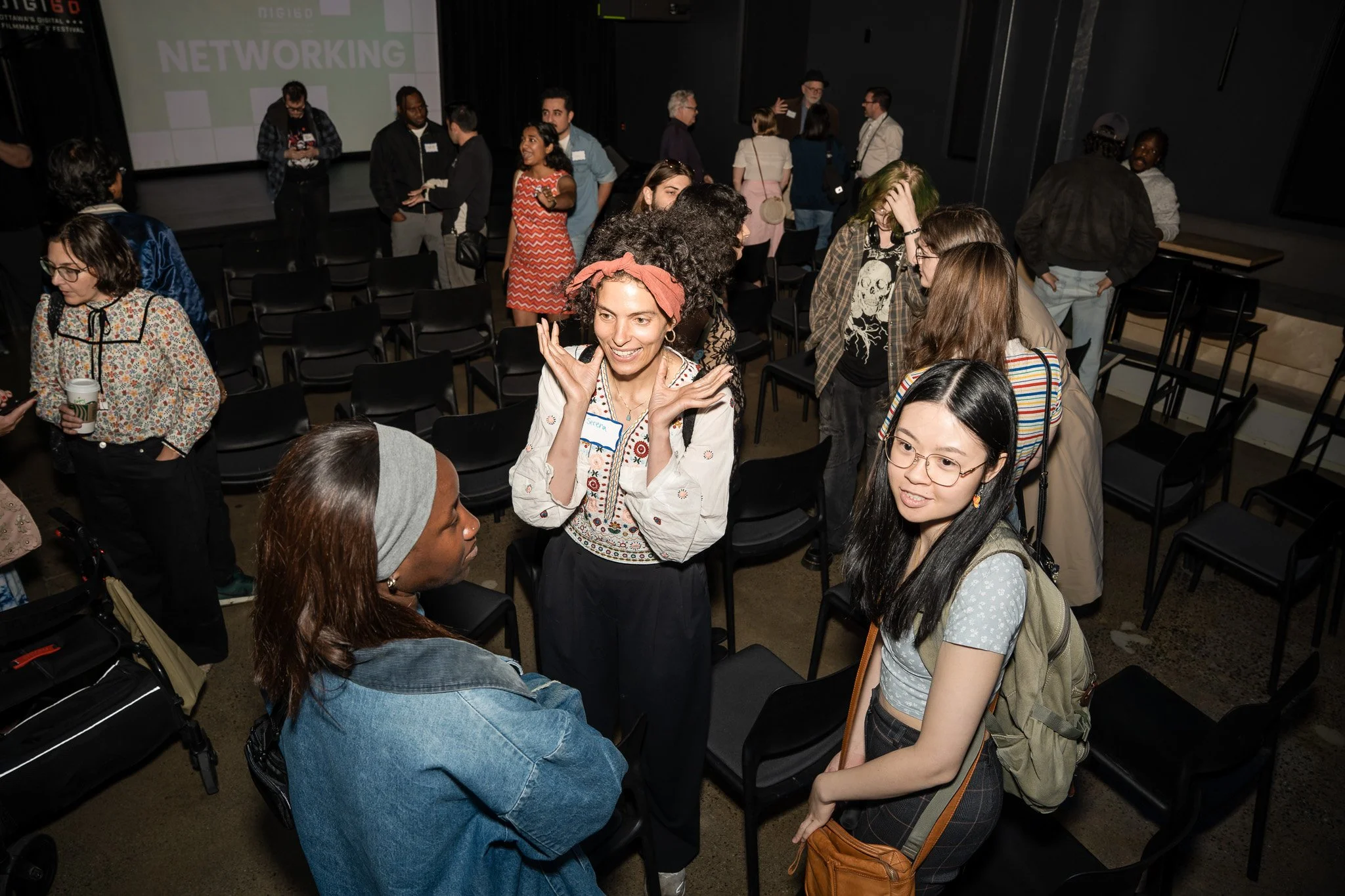
That exchange is an important part of what makes the 60-Day Challenge work. Everyone is working toward the same deadline, but everyone also brings different skills, experiences and connections to the process.
If someone helps with your film, look for an opportunity to support theirs. If you need an actor, cinematographer, sound recordist, production designer or an extra pair of hands, let people know what you're looking for.
And you don't necessarily have to start with people you already know.
Tara suggested looking at the credits and social posts from local productions to find people whose work interests you. MJ encouraged filmmakers to reach out to people whose work they admire.
Networking doesn't have to mean walking into a room full of strangers and pitching yourself.
Sometimes it's simply introducing yourself, asking someone about their work or saying, “I'm looking for help with this.”
The Digi60 Discord provides a space to do exactly that.
Rehearse the difficult parts
If a scene involves a complicated shot, movement or technical setup, take the time to rehearse it before the shoot.
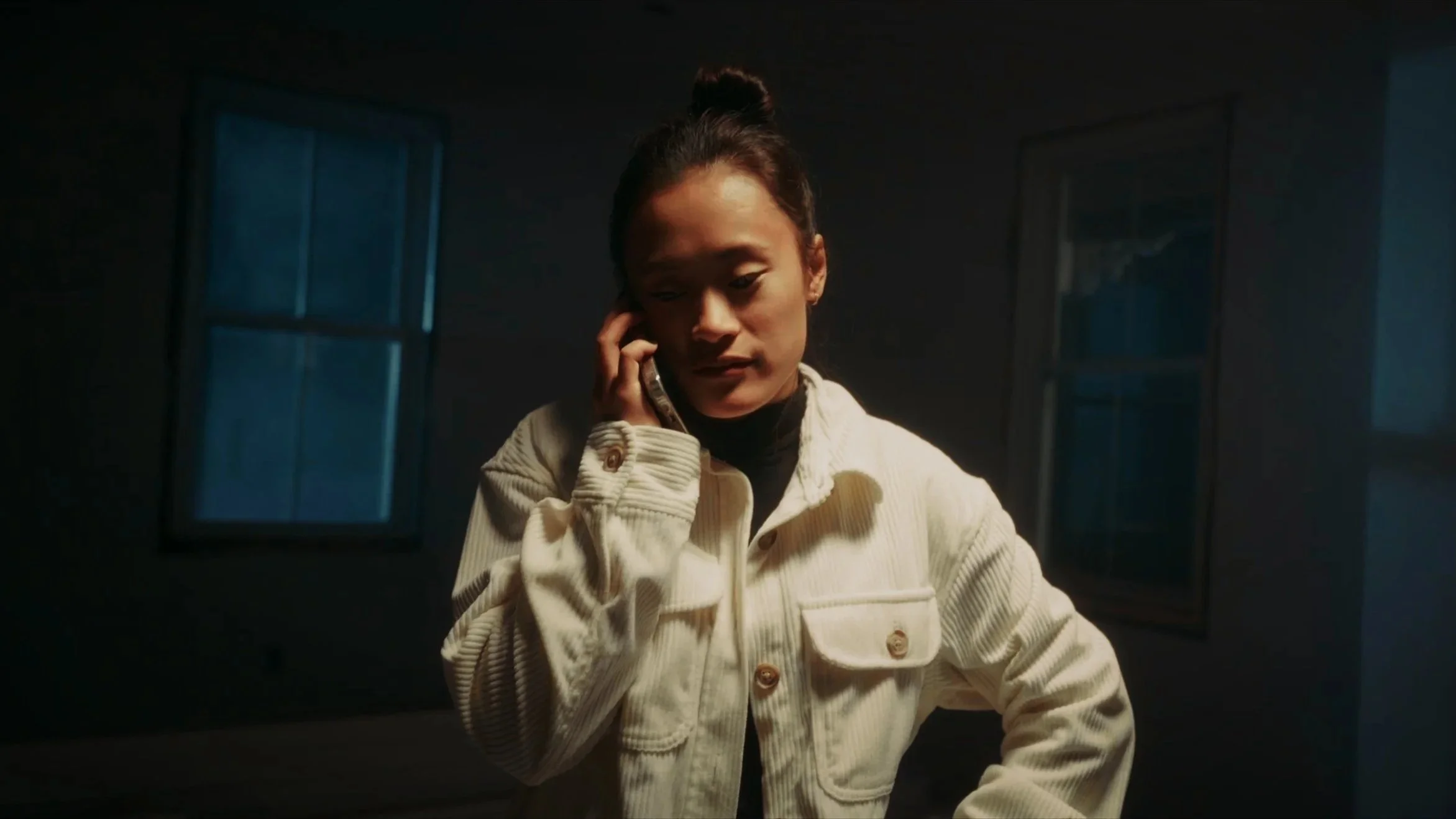
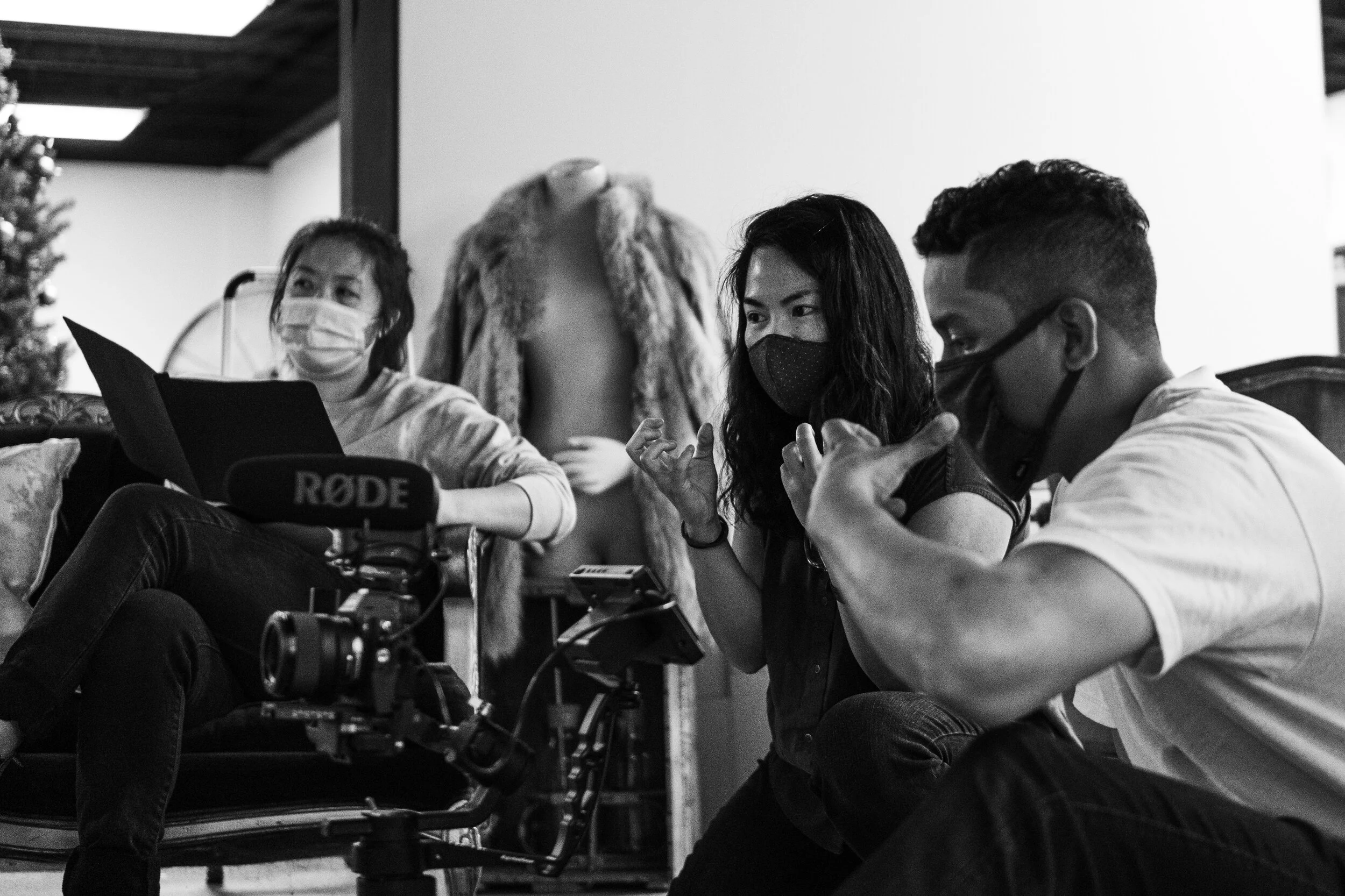
Dominik's one-take film required actors, camera, lighting, sound and crew movement to work together throughout an entire scene. The team rehearsed repeatedly, using those rehearsals to identify problems with shadows, timing, visible equipment and movement.
The principle applies even if you're not attempting a one-take film.
Test the effect. Walk through the location. Rehearse the blocking. Check the equipment.
Record a sound test. A little preparation can save a lot of time on set.
Stay flexible
Planning matters.
So does knowing when to change the plan.
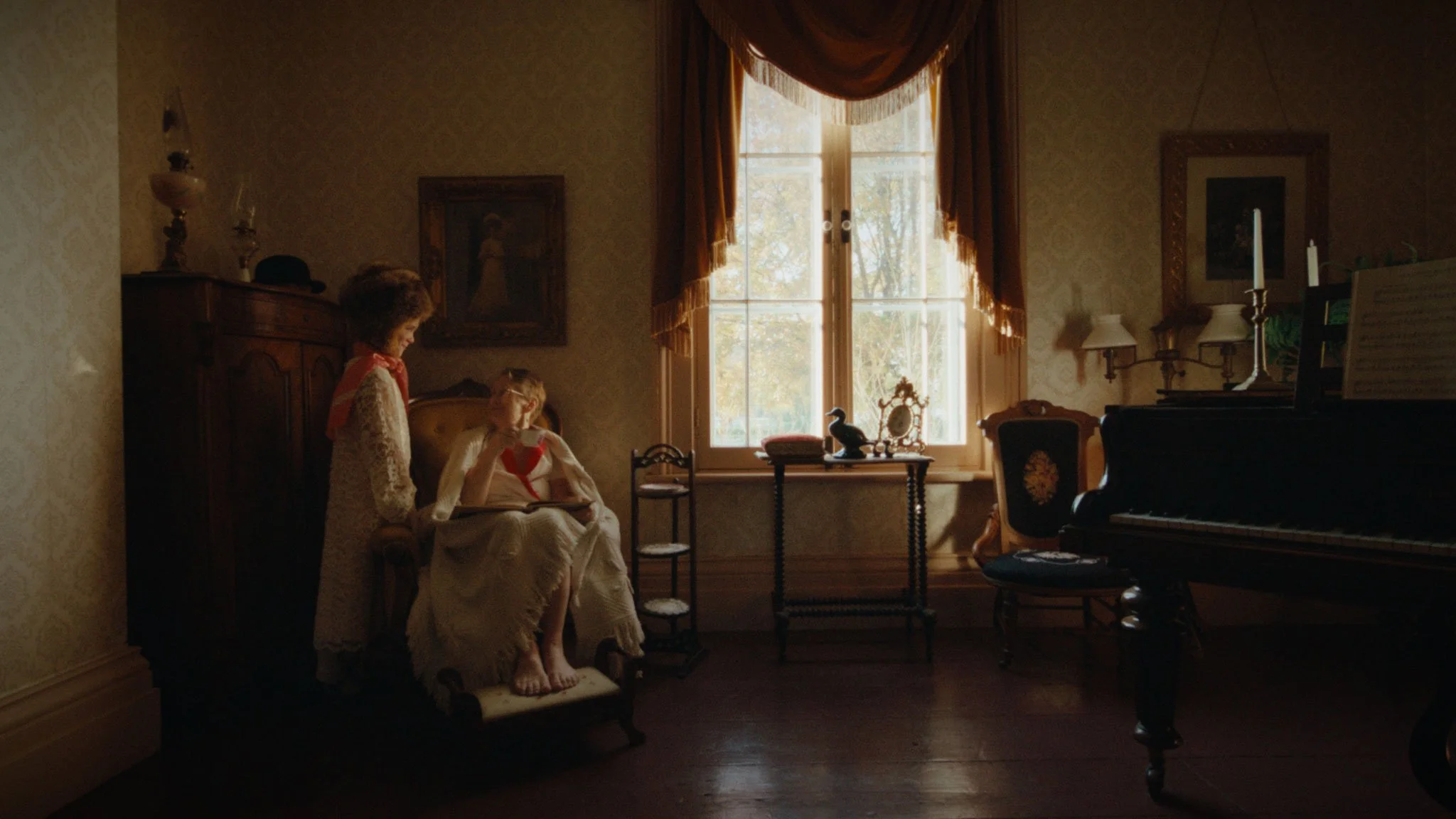
Tara described creating scenes for Forget Me Not based on memories of her grandmother. She had written the scenes in advance, but encouraged the actors to respond naturally instead of forcing every moment to match the script.
One of her favourite shots came from an unexpected decision by the child actor, who decided she wanted to sit down and paint.
Tara let the moment happen.
Sometimes the best parts of a film come from the things you couldn't have planned in advance.
Her production also faced much bigger changes when the original cast became unavailable. New actors had to be found, costumes had to be replaced and permissions had to be revisited.
The lesson isn't to avoid planning.
It's to leave enough room for your collaborators, your location and your circumstances to influence the film.
A 60-day production is long enough for things to change. Staying open to those changes can give your collaborators space to bring their own ideas to the film — and sometimes, those unexpected moments can become some of the most memorable parts of the finished piece.
Do the paperwork while you’re making the film
This part may not be glamorous, but it matters.
Tara had location paperwork and cast agreements in place for Forget Me Not. Those documents became particularly important later when the film received an opportunity to stream on CBC Gem.
You may have no idea where your 60-Day Challenge film will go after the Festival.
That's exactly why it's worth getting the paperwork right from the beginning.
Keep track of performer releases, location permissions and other agreements as you make the film rather than trying to reconstruct everything months later.
It's one more way of thinking beyond the Challenge deadline.
Your film may have a life after those 60 days. Making sure you have the necessary permissions and documentation means you'll be ready if an opportunity comes along.
Make something that comes from you
With so many filmmakers taking part in the Challenge, it's easy to start wondering what everyone else is making — or what kind of film you should make.
The panelists kept coming back to something much simpler: start with what genuinely interests you.
For Tara, that means drawing from lived experience.
“The more authentic you are to you, the more you’ll be able to find your people and connect with others.”
Your film can be a narrative, documentary, animation, experimental piece, comedy, drama or something that doesn't fit neatly into any category.
And your interpretation of Re/Frame doesn't need to look like anyone else's.
The 60-Day Challenge is an opportunity to make something and learn something by making it.
Try a role you've wanted to try.
Work with somebody new.
Test an idea you're not completely sure will work.
Ask for help.
Offer your skills to someone else.
Make mistakes.
Learn from them.
Most importantly, make the film you actually want to make.
Give yourself time to finish
“Don’t underestimate how much time it takes for post-production”
Finishing your shoot is not the finish line.
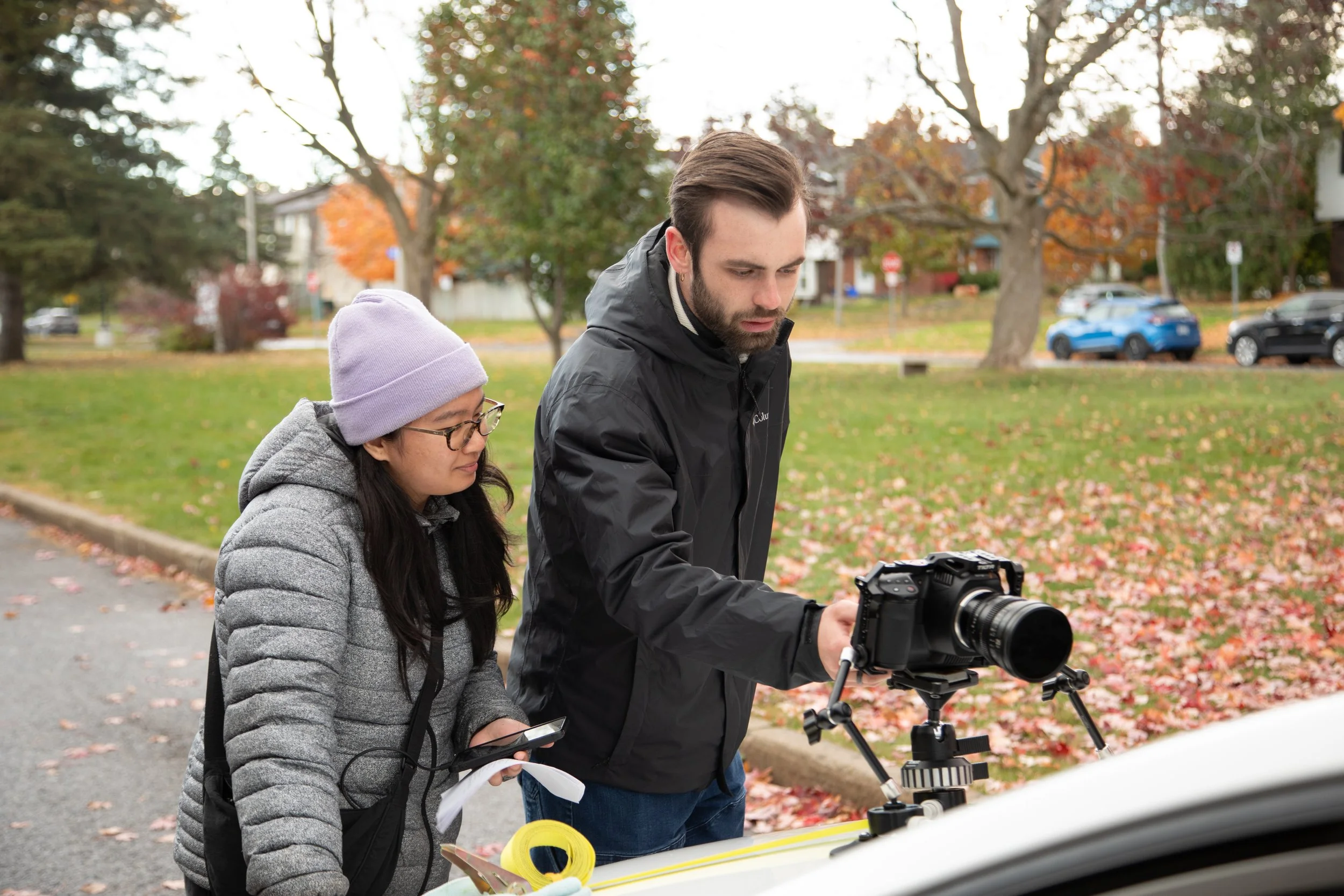
One practical benchmark that came out of the panel was to aim to have your film shot by around Day 30. That gives you the second half of the Challenge to deal with everything that happens after production: editing, sound, music, colour, subtitles, feedback, revisions and final exports.
Dominik's 2025 film was designed as a continuous one-take. Even without a traditional edit, however, there was still plenty of work to do once filming was complete.
He also encouraged filmmakers to show their work to people they trust, gather feedback and leave enough time to make changes.
That last part is easy to overlook. When the deadline is approaching, it can be tempting to treat the first finished version as the final version. Building some breathing room into your schedule gives you the chance to step back, notice what isn't working and improve it.
And don't leave sound until the very end.
With a background in sound, MJ emphasized the importance of having someone thinking specifically about audio. Strong production sound and thoughtful sound design can make an enormous difference in how polished and complete a short film feels.
The more time you leave for post-production, the more opportunities you have to make those final creative choices.
The work is easier when you don't do it alone
A 60-day deadline can make filmmaking feel like a race against the clock.
But the conversation with Tara, MJ and Dominik was a reminder that the Challenge isn't only about the finished film. It's also about the people you meet and the things you learn along the way.
You don't need a huge crew.
You don't need to know exactly how everything will work before you begin.
You do need to give yourself enough time to finish, prepare for the difficult parts, stay open to unexpected ideas and take care of the practical details along the way.
And you don't have to figure it all out alone.
The Digi60 Discord is a place to start. Introduce yourself, share what you're working on, find collaborators, ask questions or offer your skills to another filmmaker. You never know where a conversation might lead — or who you might meet.
Sixty days will go quickly.
Start connecting. Start planning. Start making.
And make something that's yours.