Finishing a short film is a big deal. But once the final cut is ready, you might find yourself wondering what comes next.
Beyond the first screening, there are opportunities to find audiences, connect with other filmmakers, and open doors to future projects. Knowing how to approach those opportunities is part of the filmmaking journey, too.
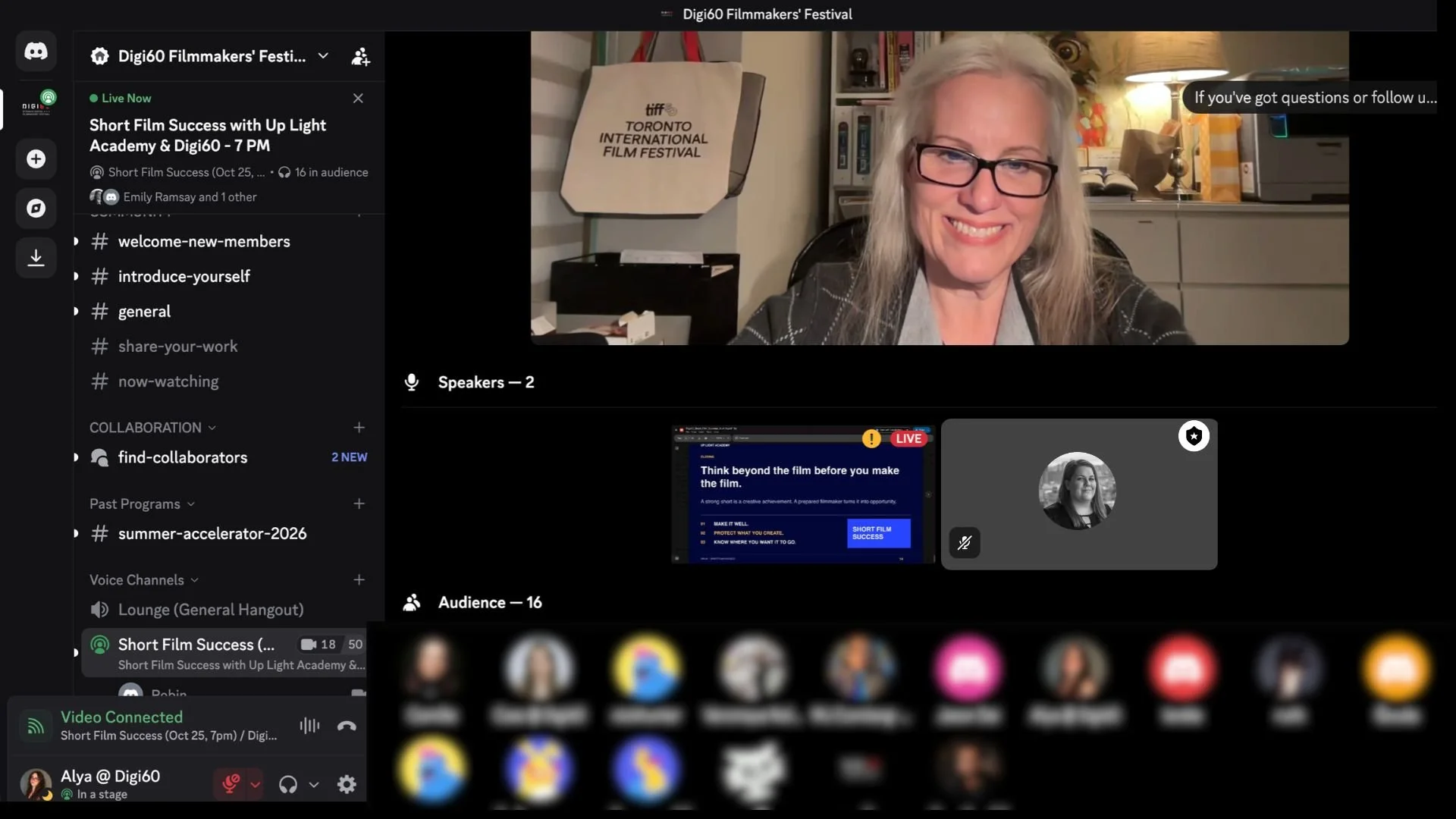
During Digi60's Short Film Success workshop, Robin C. Keller of Up Light Academy and All in Media Group shared practical advice on the business side of filmmaking, from protecting your creative work, to finding audiences, and exploring distribution opportunities.
Her central message was simple: A short film can do more than demonstrate what you can create. With the right preparation, it can open doors to future opportunities.
1. Secure Your Film's Rights From the Start
Legal paperwork probably isn't the first thing that comes to mind when you're excited about making a film. But it's one of the most important things to get right.
During the workshop, Robin shared the story of a short film that attracted interest from a distributor. There was just one problem: the filmmakers had used music they hadn't properly licensed and weren't willing to replace it. In the end, the distributor walked away.
It's a reminder that what happens during production can affect what you’re able to do with your film later.
Robin highlighted a concept called the chain of title. In simple terms, it's the documentation that establishes who owns a project and what rights they have to it.
For emerging filmmakers, this means keeping track of agreements with writers, cast, crew, composers, and other contributors. It also means paying attention to the music, artwork, logos, and other copyrighted material that appear in your film. Depending on how you plan to use your film, you may need permission to include them.
What you can do: Create a folder for your production paperwork and keep everything in one place. This can include signed agreements, cast and crew releases, location permissions, music licences, and other documents related to your film's rights. Start gathering these during pre-production rather than trying to track everything down once the film is finished.
If you're unsure about ownership, permissions, or contracts, consult an entertainment lawyer or another appropriately qualified professional.
2. Budget Wisely, Spend Where It Matters

Having a small budget doesn't mean you have to compromise on everything. It means figuring out where your money will make the biggest difference.
Your budget should account for what your film needs, from equipment and locations to transportation, meals, crew, insurance, and unexpected expenses.
During the workshop, Robin encouraged filmmakers to think carefully about where their money will have the greatest impact on screen. That might mean saving in one area so you can invest more in something that matters to your story.
Insurance is another expense worth considering early on. Even on a small production with friends, things can go wrong. Robin recommended speaking with an insurance professional before filming to understand what coverage your production might need.
What you can do: Break down your script scene by scene and identify the resources needed to bring each one to life. Request quotes where possible, account for unexpected expenses, and decide where your money will make the greatest difference.
For filmmakers exploring production insurance, Robin recommended Rorie McIntosh of McCAM Insurance, who has experience working with emerging filmmakers and smaller production budgets. He can be reached at rorie.mcintosh@mccaminsurance.com.
3. Be Strategic About Where You Submit Your Film

Submitting your film to festivals is exciting. But entering every festival you come across isn't necessarily the best strategy.
Before spending money on submissions, think about what you want your film to achieve. Are you looking to connect with other filmmakers? Reach audiences interested in a particular subject? Build your portfolio? Gain recognition within a specific genre?
Knowing what matters most to you can help you narrow down your options.
For example, a horror film might benefit from festivals specializing in genre filmmaking, while a documentary about a particular community could find meaningful audiences through festivals focused on related subjects.
During the workshop, Robin and Emily, Chair of the Board at Digi60, emphasized the importance of researching festivals before submitting your film. Taking the time to find the right fit can help you make more informed choices about where to spend your submission budget.
What you can do: Start by researching five festivals that align with your film. Look at their previous selections, programming interests, audiences, submission fees, and eligibility requirements.
Platforms like FilmFreeway can be useful starting points, but take the time to explore each festival individually.
A smaller, well-researched submission strategy may serve your film better than an expensive, unfocused approach.
4. Start Building Your Audience Before Your Film Is Finished
You don't need a large marketing budget or thousands of followers to start introducing people to your film.
Robin discussed how filmmakers can use social media to share their creative journey, introduce collaborators, and develop interest in their projects.
She highlighted a short film whose creators built a substantial online following through creative promotional campaigns, including behind-the-scenes content and audience engagement. That interest eventually helped generate conversations about developing the project into a larger production.
The lesson wasn't that every film needs to go viral. It was that knowing your audience and finding creative ways to connect with them can lead to opportunities.
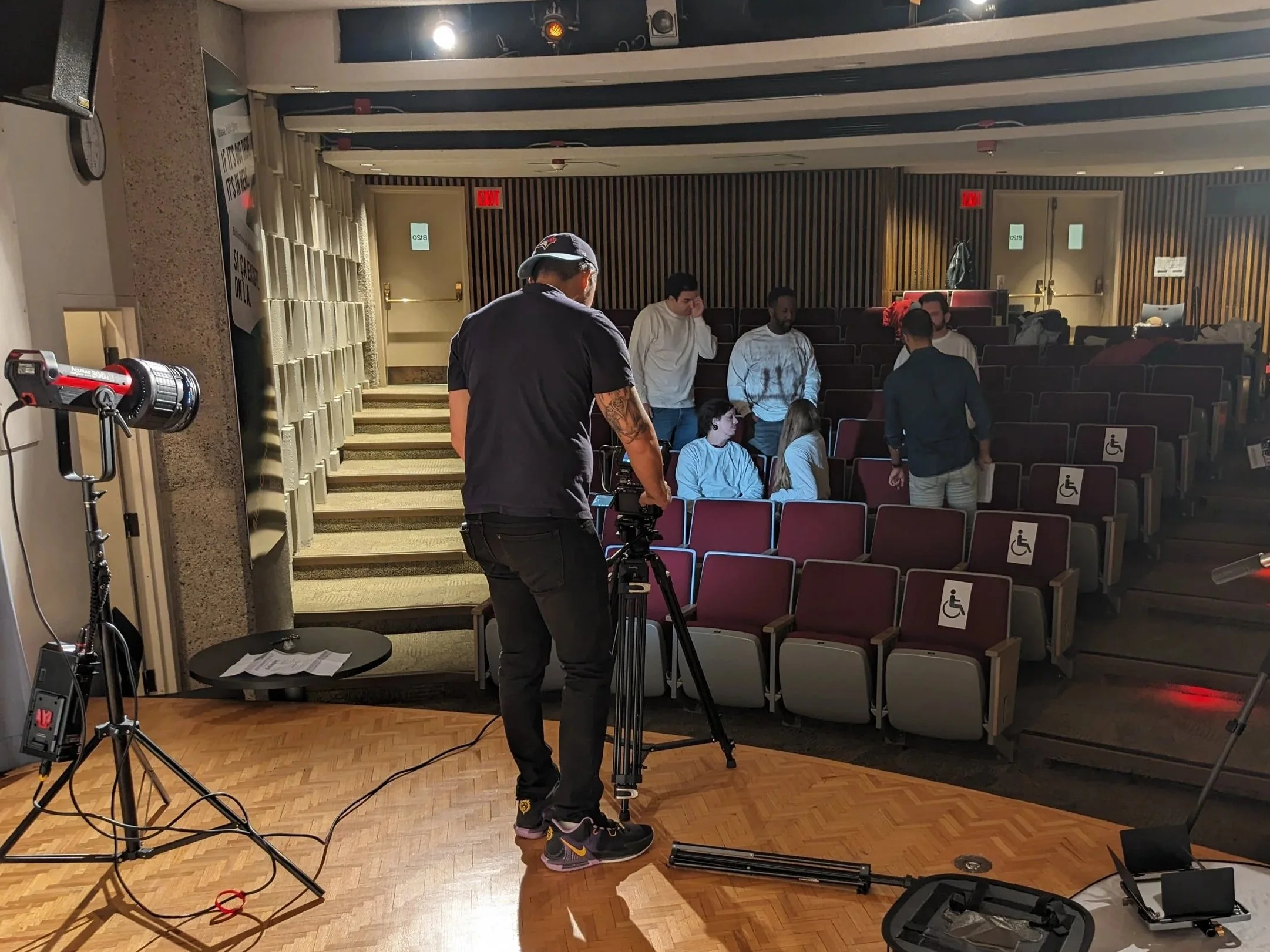
Behind-the-scenes photographs, production stories, and short videos can give people something to connect with before they ever see your finished film.
And don't underestimate your existing community. Your cast, crew, collaborators, friends, and local filmmaking networks can all help introduce your work to new audiences.
What you can do: Start by sharing glimpses of your filmmaking process, from behind-the-scenes photos to how you brought a scene to life or worked through a production challenge. These moments can help people connect with your project before they see the finished film.
You don't need a big following or a constant stream of content. Focus on sharing what feels interesting or meaningful to you and your team.
Before You Post: If you're planning a festival run, be careful about releasing your film online. Some festivals require a premiere or restrict films that are already publicly available. Check the eligibility rules of your target festivals before posting your finished film online, so you don't accidentally limit your opportunities.
5. Think About What Your Film Could Become

A festival screening doesn't have to be the end of your film's journey.
Robin explored how short films can function as professional calling cards, proofs of concept for larger projects, or finished works with their own distribution potential.
Some short films find audiences through broadcasters, international distributors, or alternative exhibition platforms. Others help filmmakers build professional relationships that lead to future collaborations.
But pursuing those opportunities requires preparation. Distributors may want to review your production paperwork, confirm which rights you control, and assess whether your film could appeal to audiences in particular markets.
It's also important to understand what you're agreeing to before signing a distribution deal. Make sure you understand how revenue is shared, which expenses you may be responsible for, and what rights you're granting.
And sometimes the most valuable outcome isn't a sale. It could be finding an audience that connects with your story, meeting a future collaborator, developing your idea into a larger project, or using your film to demonstrate your skills to potential employers.
What you can do: Write down what success would look like for your film beyond its first screening. Is your goal to reach a particular audience? Build relationships? Explore distribution? Develop the story further? Having a clear goal will help you make decisions about where to spend your time, energy, and resources.
6. Keep Making Films. Keep Building Your Skills.

One of the most encouraging messages from the workshop was that filmmakers don't need to have everything figured out at the beginning of their careers. Business knowledge, like filmmaking itself, develops through experience, mentorship, and practice.
Ask questions. Learn from people who've navigated similar challenges. Build relationships with your collaborators and filmmaking community. And bring what you learn into your next production.
Most importantly, don't let the business side of filmmaking discourage you from creating something. Think of it as another set of tools that can help your creativity go further.
Finishing your short film is an achievement in itself. What comes next is an opportunity to keep learning, reach new audiences, and see where your work takes you.
This article draws on advice shared by Robin C. Keller during Digi60's Short Film Success workshop on October 25, 2026. Robin represents Up Light Academy and All in Media Group, organizations supporting independent filmmakers through training, professional development, and distribution.
This article is intended for educational purposes and does not constitute legal or insurance advice.