You’ve probably heard about some grant or another before—and perhaps been intimidated by it, or perhaps you submitted an application. To anyone, the idea of compiling endless amounts of information about oneself and a project, finding the perfect balance between technical and emotional responses that sway a committee towards your particular project, can be taxing and downright confusing.
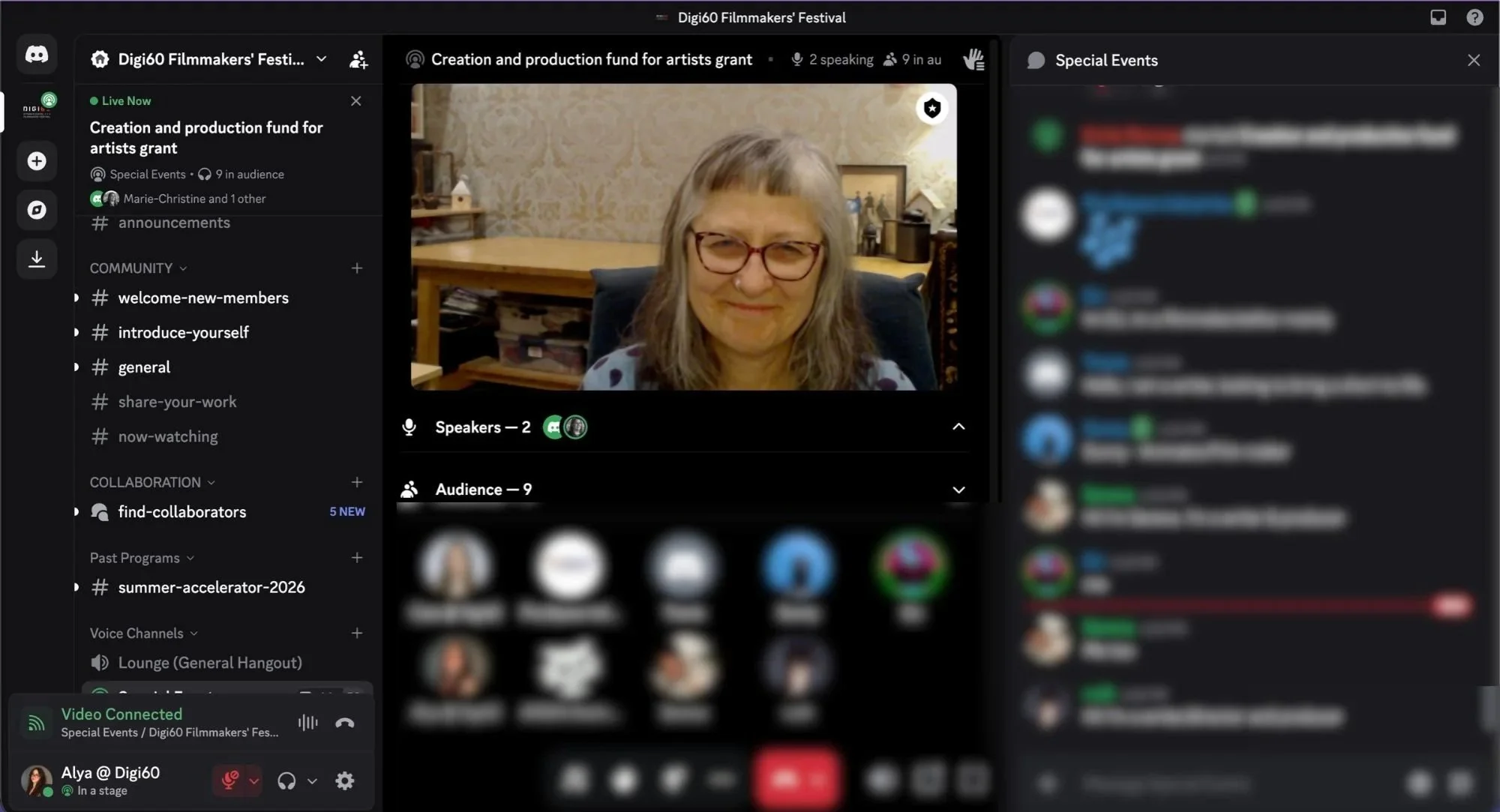
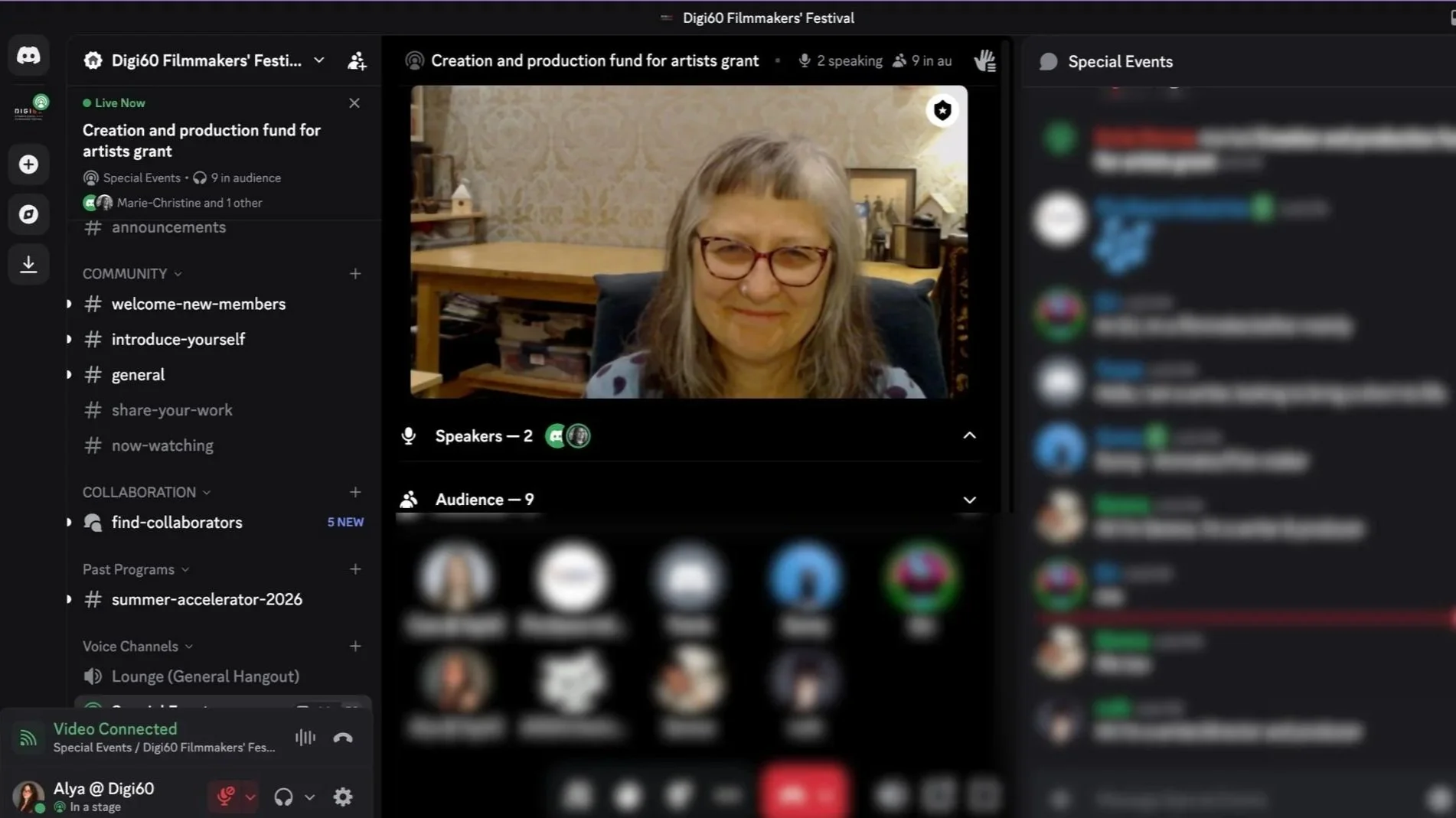
But don’t panic! The Ottawa Creation and Production Fund is a fantastic grant you need to know about. On Nov. 5, Digi60 welcomed Marie-Christine, Cultural Funding Officer with the City of Ottawa, for a virtual information session and Q&A on Discord about the City’s Creation and Production Fund for Artists. Roll the recap!
Two doors: creation and production

The fund offers two categories of support, so figure out which one you are first. Creation grants, with a maximum request of $10,000, cover the long, often invisible stretch before a camera ever rolls: research, writing, script development, storyboarding and the rest of the preparation that turns an idea into something shootable. Production grants, with a maximum request of $15,000, pick up from there and cover filming, animation, post-production and eligible screening activities.
Both categories can cover up to 100% of eligible project costs within their limits, and artists working on something larger are free to seek money from other sources alongside the City’s. Perhaps the most important detail, and the one that tends to surprise people who have spent years treating their own labour as the free part of the budget, is that eligible expenses can include artist fees, because the program recognizes, quite plainly, that artists need to be paid if they are going to give their time to the work (so yes, you can budget your living expenses!)
Who the fund is for

The program is meant for established or emerging artists who have solidified a real commitment to their practice. For independent filmmakers Marie-Christine described two ways in. The first is an independent practice pathway, where an applicant shows artistic training, a period of practice and at least one completed independent film that has been selected for screening; the second is an industry experience pathway, for people with at least five years of professional film industry experience who are applying to make their first independent work. Training, she noted, is a generous category that can include formal education, mentorship, collaboration and self-directed learning, so the filmmaker who learned by doing is not shut out simply for lacking a diploma.
Applicants generally need to be at least 18 and living within the City of Ottawa, with a residency exception for eligible Algonquin applicants living within roughly 150 km of the city.
A word for the Digi60 community in particular: taking part in the 60-Day Challenge can genuinely strengthen an artist’s professional development and portfolio, but registering for it, or even finishing a film in it, does not on its own make anyone eligible, and applicants still need to demonstrate the experience and recognition the program asks for.
What to budget (and what not to)
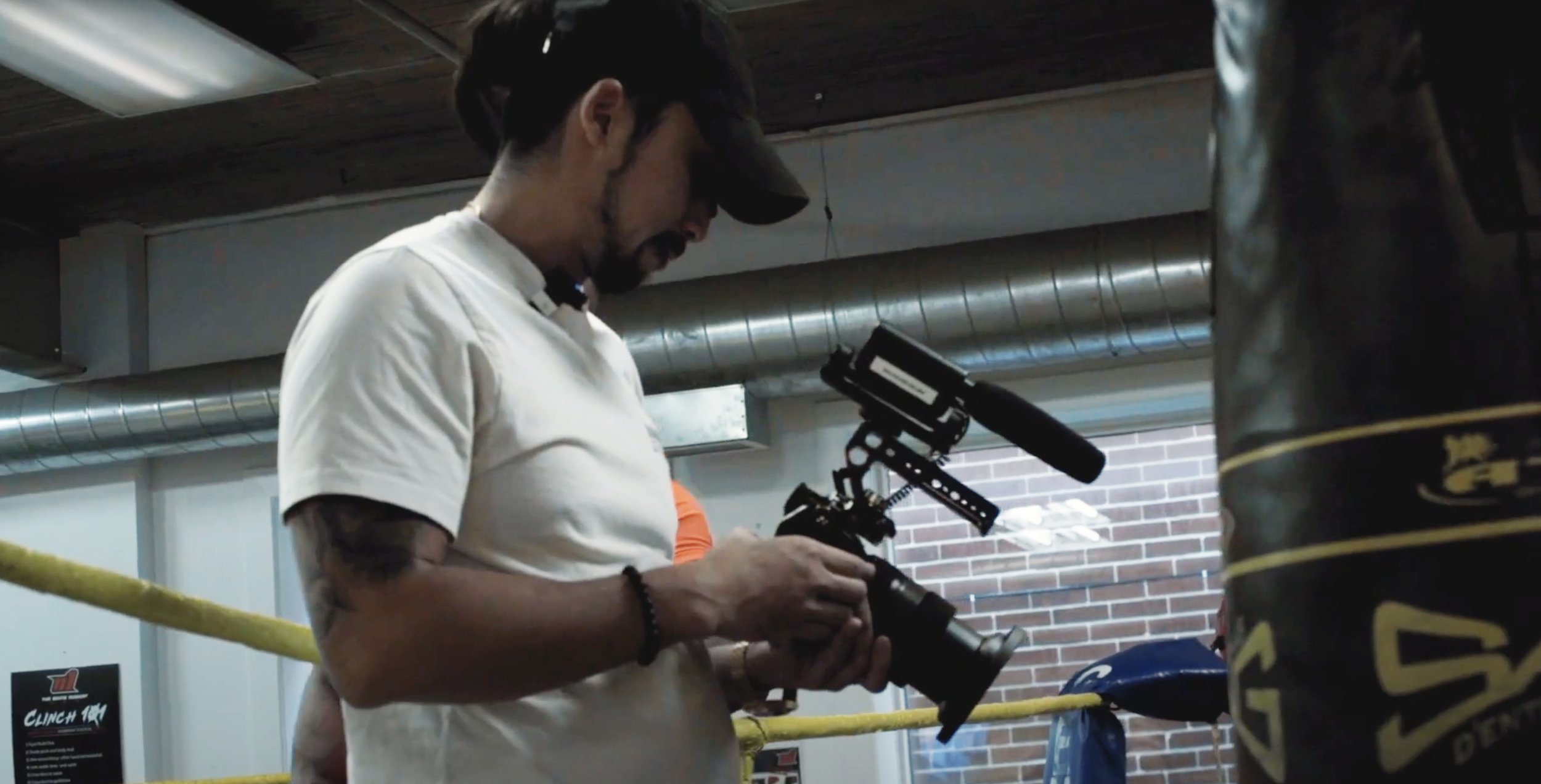
On the eligible side sit artist and crew fees, scriptwriting and research, equipment rentals, production and post-production, sound, colour correction and subtitles, and the less glamorous but entirely necessary insurance, permits and production costs. On the other side, generally not covered, are major equipment purchases, film festival submission fees, general self-promotion, professional training, commercial or commissioned projects, and completed projects looking for funding after the fact.
Throughout all of this, independent artists must keep creative and editorial control of their projects. Some borderline costs, such as a software subscription the project truly depends on or a small equipment upgrade, may be considered case by case, but the advice was clear that applicants should ask their funding officer before counting on any of these exceptions. (*Pro tip: Don’t hesitate to email a funding officer with questions or to validate any part of the application process!)
The application is a pitch

If there was one idea the session kept circling back to, it was that the project description, the budget, the timeline and the supporting materials are not four separate chores, but one argument, and every piece of it should be telling the same story. The recommendation was to treat the application as a pitch that answers who, what, when, where, why and how; to make sure the budget reflects the real scope and scale of the work; to show clear calculations for every expense, artist and crew fees included; to choose supporting materials that actually demonstrate an artistic vision rather than padding the file; and to explain how the project feeds the applicant’s growth and how the finished work might eventually be shared.
There was also a warning worth repeating to anyone tempted to look modest: do not shrink a budget to seem more affordable, because a number that cannot possibly cover the work described does not read as humble to a jury, it reads as a project that may never be finished.
Who decides, and on what
Funding decisions are made by peer juries rather than by City administrators, and those juries weigh three broad things: artistic merit, meaning the strength, clarity, originality and technical quality of the proposal; impact, meaning what the project could contribute to the artist’s practice and to the wider community; and planning, meaning whether the applicant has shown a realistic path to actually completing the work. Meeting the eligibility criteria is the beginning rather than the end of the conversation, and Marie-Christine was candid that the program is highly competitive.
The fine print worth reading twice

Artists can receive only one City cultural funding allocation per calendar funding year, activities that have already been funded cannot be funded again, and an outstanding final report from a previous grant can make an applicant ineligible for new money.
Separate phases of the same film can be funded through separate applications in different years, as long as the earlier funded work is complete and its reporting is done.
Deadlines are strict, down to the stated 4 p.m. cutoff, and the program’s terms and conditions are worth reading in full before starting.
The City also offers help before anything is submitted, which is easy to forget and well worth using: applicants can contact their funding officer with eligibility questions, request feedback on a draft at least two weeks before the deadline, and ask about accessibility-related support with the application itself.
What came up in the Q&A
For artists who are not yet eligible for the larger fund, the City’s Youth in Culture Program and Seed Award were described as offering up to $2,000 to eligible applicants, and may be the more natural first step. Municipal funding can be combined with other grants, provided the overall budget accounts for all of the revenues and expenses together, and in-kind support, whether donated services, equipment use or other non-cash contributions, can be listed separately from cash revenue.
Filmmakers applying to make a film do not need confirmed festival screenings, though they should be able to explain how they hope to share the finished work. On artificial intelligence, the City expects transparency, and Marie-Christine drew a line between AI used as an administrative or production tool and AI-generated creative work, the latter of which may raise more questions during jury evaluation, before encouraging applicants to keep their own voice in their proposals. That guidance belongs to the City’s funding program and is separate from Digi60’s own AI policy for the 60-Day Challenge, which has not changed.
Where to go from here
Filmmakers looking for hands-on help with the writing itself can look to DARC’s grant-writing clinics and other application supports, keeping in mind that some of those services require a membership, and anyone with questions about their own eligibility or project is encouraged to reach out to the City directly.
For more information about eligibility, deadlines, and how to apply, visit the City of Ottawa’s Creation and Production Fund for Artists page.
You can also revisit the information session through Marie-Christine's presentation slides and additional resources, available in our shared folder.
This article draws on information shared by Marie-Christine, Cultural Funding Officer with the City of Ottawa, during Digi60’s virtual information session and Q&A on November 5, 2026, about the City of Ottawa’s Creation and Production Fund for Artists.
This article is intended for educational purposes. Applicants should consult the City of Ottawa’s official program guidelines and contact a funding officer for advice specific to their application.